









The indictment Tuesday of a top adviser to former NIAID Director Anthony Fauci on charges of conspiring against the United States casts a spotlight on years of efforts to subvert public records laws and conceal key COVID-era communications from the public.
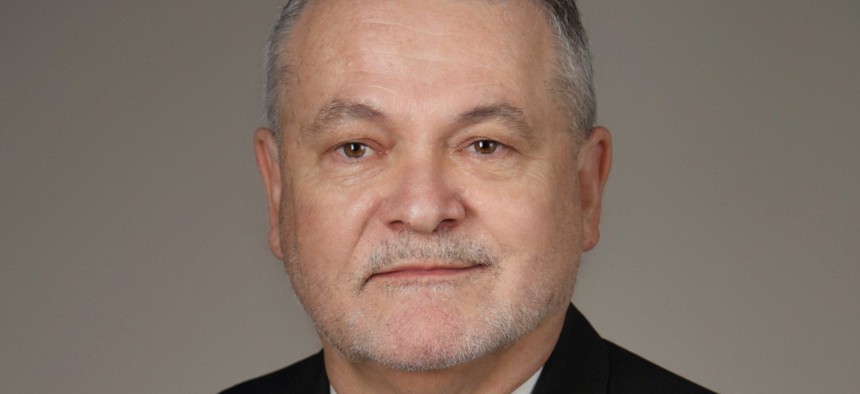
The adviser, David Morens, a longtime senior aide inside Fauci’s inner circle, is accused by federal prosecutors of using private email accounts to conduct government business, deleting records and coordinating with others to conceal communications related to COVID origins, high-risk coronavirus research and grant funding.
According to the indictment, Morens and others agreed in writing to “intentionally hide” their communications from public records requests made under the Freedom of Information Act (FOIA) by using his personal Gmail accounts rather than his official NIH account, even when discussing matters within his government duties. In one email cited by prosecutors, Morens allegedly wrote to co-conspirators: “I need to keep this correspondnce [sic] off of USG emails for obvious reasons, so am sending from gmail…I am under multiple FOIAs already.”
The indictment alleges that Morens worked with at least two co-conspirators and others without explicitly naming them. But the descriptions provided closely track at least some publicly known roles and relationships. For instance, “Co-Conspirator 1,” who is described as the head of a U.S.-based nonprofit that received the NIH grant titled, “Understanding the Risk of Bat Coronavirus Emergence” and subcontracted research to the Wuhan Institute of Virology. That description aligns with Peter Daszak, the former president and chief executive of the now federally debarred and defunct New York-based non-profit EcoHealth Alliance.
Daszak, who has not been charged, has since launched a new nonprofit research group, Nature.Health.Global, which lists Morens among its affiliated scientists.
Neither Morens nor Daszak immediately responded to emails sent Tuesday seeking their comment for this story.
The allegations in the 29-page indictment largely mirror a trail of evidence unearthed over more than four years of FOIA requests and subsequent litigation by U.S. Right To Know. The nonprofit watchdog group has filed more than 220 public records requests and 44 lawsuits seeking clarity on COVID-19 origins and biosafety risks, including filing at least five FOIA requests and two suits specifically targeting Morens’ communications.
Those efforts previously forced the release of thousands of pages of emails that appear to align closely with descriptions of the offenses laid out within the indictment. The documents demonstrate how Morens conducted official business via private Gmail accounts, discussed strategies to “make emails disappear” to evade FOIA searches and avoided creating written records altogether – actions that Morens later admitted and apologized for during congressional testimony.
Other records show Morens in ongoing contact with Daszak and a small circle of allies after the pandemic’s onset. Their communications include strategizing about how to restore EcoHealth Alliance’s standing with federal funders, counter scrutiny from Congress and the media, and shape public narratives around the origins of COVID-19 and NIH oversight of coronavirus research. The exchanges repeatedly included several prominent global health scientists, including Gerald Keusch, a Boston University provost, and less frequently Peter Hotez, a dean and professor at Baylor College of Medicine.
According to prosecutors, those same kinds of relationships form the basis of the alleged conspiracy. The indictment alleges that after NIH terminated the EcoHealth grant, Morens and his co-conspirators worked to restore funding and counter the narrative that COVID-19 may have originated from a lab, while at times using private channels to conceal their communications.
The filing also references a second unnamed participant, “Co-Conspirator 2,” described as a scientist affiliated with an institute that received federal funding. Prosecutors allege that Morens and his co-conspirators used his position as a senior adviser to route information and advocacy to Fauci through a “backchannel,” specifically to avoid creating records that could later surface in a FOIA request. In one exchange, Morens told Daszak that it would be best to connect the two “in an off the record manner” because “we are getting FOIA’d non stop, so its most important that [Senior NIAID Official 1] not have anything on the record that could come back to bite.”
The indictment also alleges a conspiracy involving illegal gratuities. According to prosecutors, “Co-Conspirator 1,” – Daszak – provided Morens with gifts for official acts favorable to EcoHealth Alliance, including two bottles of wine delivered to Morens’ home with a note thanking him for his “behind-the-scenes shenanigans,” and promised future meals at Micheline-starred restaurants. Morens allegedly used his influence to help submit and publish scientific commentary supporting a natural origin theory for COVID-19.
While Fauci is not a direct participant in the communications cited in the indictment, the document refers to a “Senior NIAID Official 1” whose description corresponds with the former director. Fauci has faced intense scrutiny from lawmakers like Sen. Rand Paul over NIH funding of “gain-of-function” research. Although Fauci has denied all allegations of wrongdoing and was issued a pardon by President Joe Biden covering potential federal offenses related to his official duties, the Morens indictment puts his “inner circle” under fresh legal scrutiny.
Thousands of pages of Morens-related records – along with others linked to NIH, EcoHealth Alliance and the Wuhan Institute of Virology – are now publicly available through USRTK’s online archive, with additional releases expected in response to the group’s ongoing FOIAs and lawsuits.
Lewis Kamb is an investigative reporter at U.S. Right to Know. He was the first national FOIA Reporter for NBC News and spent nearly a decade reporting for the Seattle Times, where he was part of the reporting team awarded the Pulitzer Prize for exposing the failures behind the Boeing 737 MAX crashes.