Tertiary Article

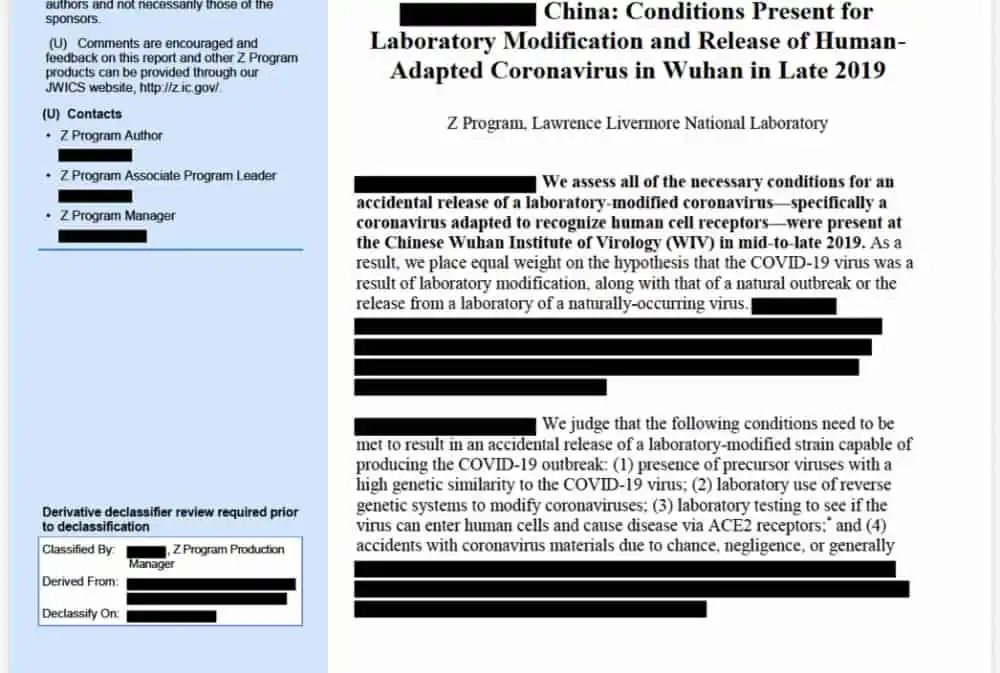
Newly released U.S. intelligence memo reveals plans for independent COVID origins study

New documents, obtained via a FOIA lawsuit, include an NIC memo updating where U.S. spy agencies stand in the debate over whether the pandemic evolved naturally or from a lab incident

Print Email Share Tweet LinkedIn WhatsApp Reddit Telegram

Newly released intelligence records show that as recently as January 2025, the U.S. intelligence community planned to create an independent panel of outside experts to study how the COVID-19 pandemic began.

Nearly 300 studies link the common pesticide chlorpyrifos to multi-organ damage, DNA disruption, and chronic disease 

Scientists tie chlorpyrifos to brain, liver, endocrine, and genetic damage, including at doses below current safety standards

Print Email Share Tweet LinkedIn WhatsApp Reddit Telegram

Growing evidence suggests chlorpyrifos may damage the brain, hormones, liver, gut microbiome, muscles, reproductive organs, and bones.

PFAS ‘forever chemicals’ may be linked to multiple sclerosis, especially in women

Print Email Share Tweet LinkedIn WhatsApp Reddit Telegram
A woman holding and examining a glass of water

Women with higher blood levels of PFAS “forever chemicals” may be more likely to have multiple sclerosis, according to a new study.

Pesticide use around homes and farms linked to childhood leukemia, brain tumors

Forty years of studies find higher cancer risks among children exposed during pregnancy and early life to pesticides used on farms, lawns, gardens, and pets

Print Email Share Tweet LinkedIn WhatsApp Reddit Telegram
A young boy with cancer is indoors in a hospital.

Forty years of studies find higher cancer risks among children exposed during pregnancy and early life to pesticides used on farms, lawns, gardens, and pets.

Reducing use of personal care products quickly lowers toxic chemicals in the body

Study shows even small reductions lower levels of health-harming substances

Print Email Share Tweet LinkedIn WhatsApp Reddit Telegram
A woman looking at a display of personal care products

Switching from conventional personal care products to nontoxic alternatives can rapidly and significantly reduce exposure to harmful chemicals.