neonicotinoids

Bayer pressured researchers over neonic study results, but researchers pushed back


Agrichemical giant Bayer helped fund a study by university academics, then pressured them to omit photos that implicated a defective insecticide-treated seed product as a threat to bees, according to communications obtained by U.S. Right to Know. Several seed and insecticide companies, including Bayer, paid Ohio State University researchers to determine how much their insecticide-coated … Bayer pressured researchers over neonic study results, but researchers pushed back


Research contract gave Bayer control of neonics study methods, but university researchers claim full credit

A research contract gave multinational pesticide manufacturers ample influence over pesticide research conducted at a state university. Experts in research ethics found fault with the influence the contract gave the funders, and linked the situation to broader transparency failures in corporate-funded research. Resulting scientific studies only acknowledged the funds the pesticide manufacturers contributed to the … Research contract gave Bayer control of neonics study methods, but university researchers claim full credit

How the pesticide industry tried to stop a bill to protect bees in Maryland

Days after Maryland state legislators introduced a bill aimed at protecting pollinators by restricting the use of neonicotinoid insecticides in residential areas, a group of representatives of Bayer, Syngenta, CropLife America, Maryland Farm Bureau, and the Maryland Department of Agriculture planned and executed a counter-offensive. Emails obtained by U.S. Right to Know show the strategies … How the pesticide industry tried to stop a bill to protect bees in Maryland

Neonicotinoids: a growing concern

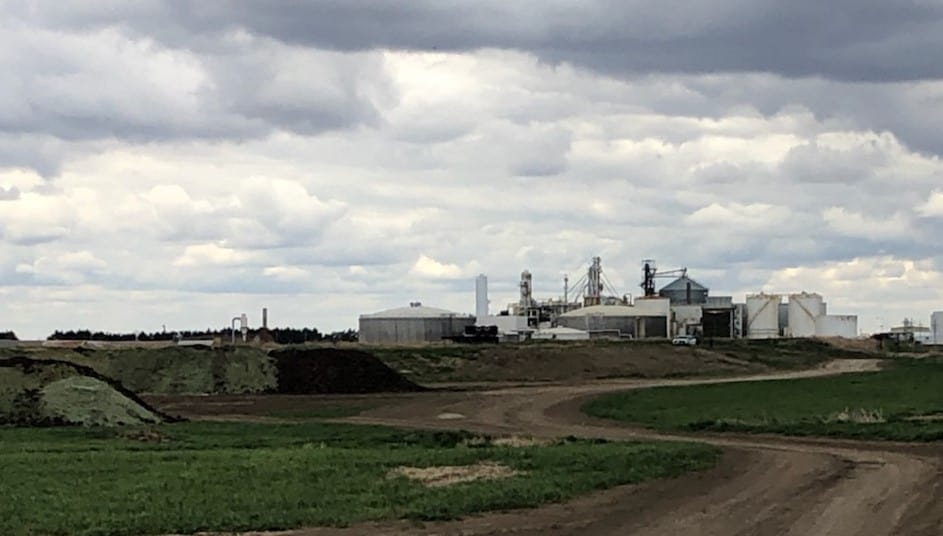
On January 10, 2021 The Guardian published this story about a small rural Nebraska community that has been struggling for at least two years with contamination tied to neonicotinoid-coated corn seed. The source is an area ethanol plant that has been marketing itself as a free “recycling” location for seed companies such as Bayer, Syngenta … Neonicotinoids: a growing concern