Dick Taverne

Monsanto relied on these ‘partners’ to attack top cancer scientists


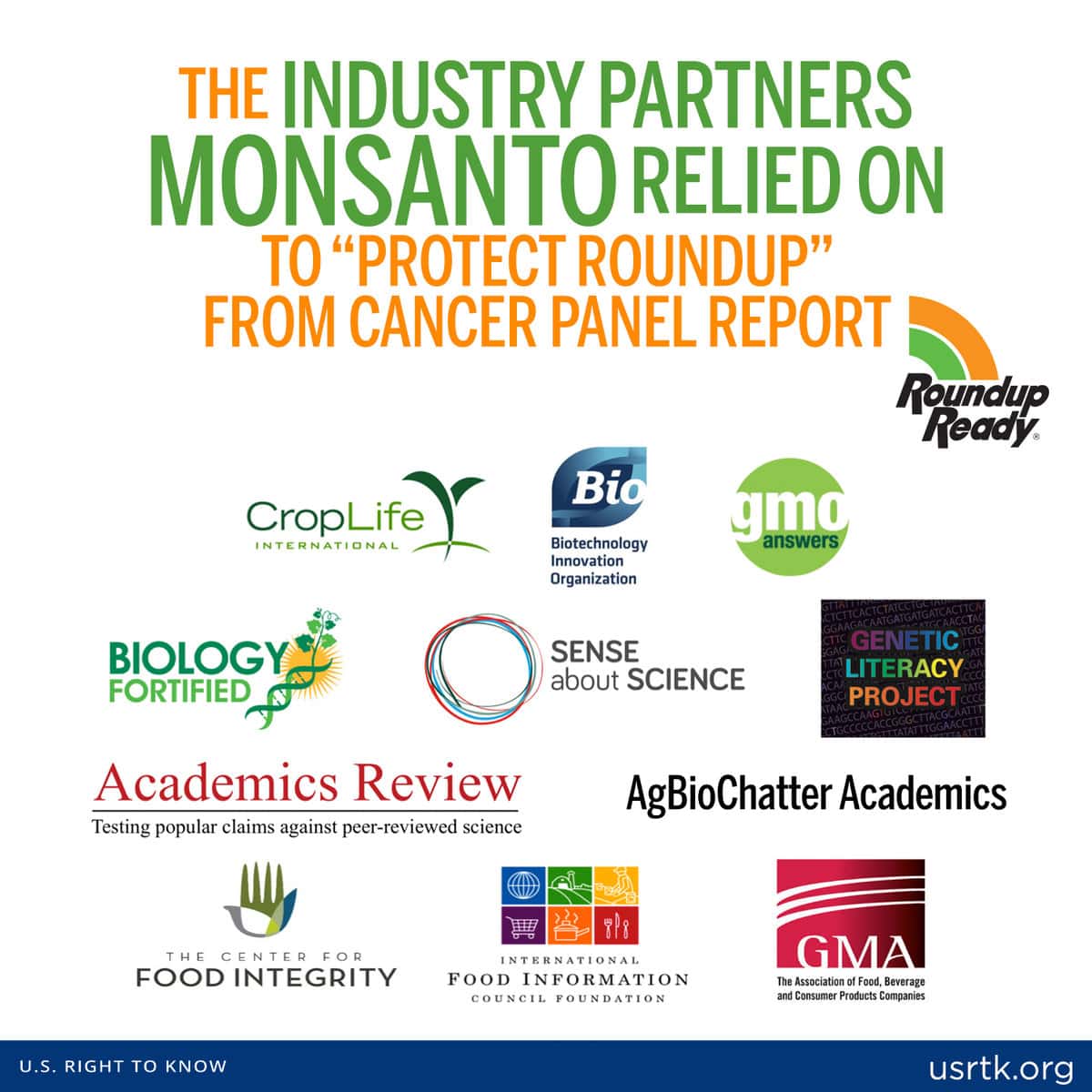
In a confidential public relations plan dated February 2015, Monsanto laid out is plans to discredit the World Health Organization’s cancer research unit, the International Agency for Research on Cancer (IARC). A month later, the international group of experts judged glyphosate — the key ingredient in Monsanto’s Roundup weed killer — to be probably carcinogenic Monsanto relied on these ‘partners’ to attack top cancer scientists

Monsanto’s fingerprints all over Newsweek’s hit on organic food

Update: Newsweek’s bizarre response By Stacy Malkan “The campaign for organic food is a deceitful, expensive scam,” according to a Jan. 19 Newsweek article authored by Dr. Henry I. Miller of the Hoover Institution. If that name sounds familiar – Henry I. Miller – it may be because the New York Times recently revealed a Monsanto’s fingerprints all over Newsweek’s hit on organic food

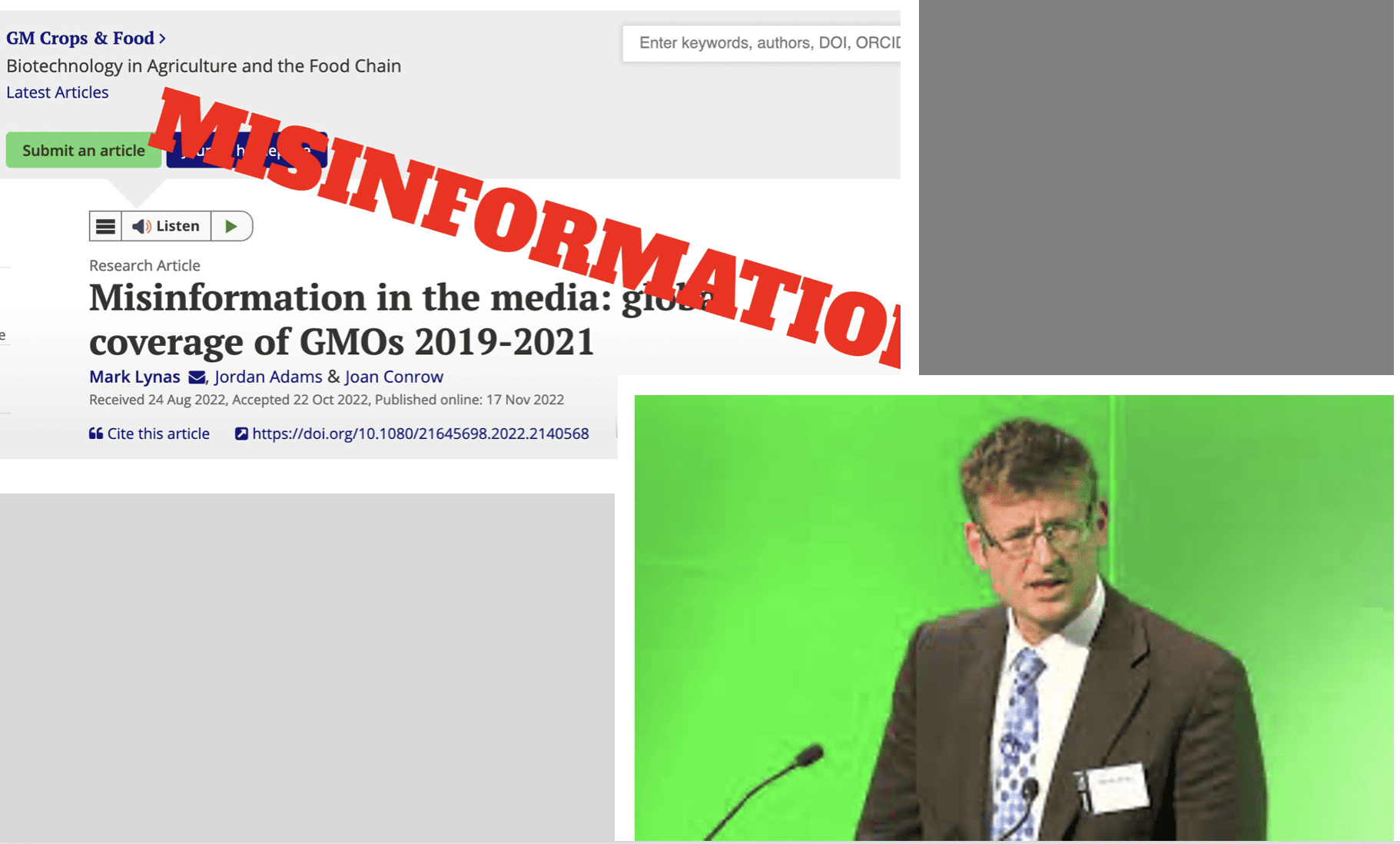
Mark Lynas’ inaccurate, deceptive promotions for GMOs and pesticides

Mark Lynas is a former journalist turned public relations advocate for genetically engineered foods and pesticides. He makes inaccurate claims about those products from his perch at the Gates Foundation-funded Cornell Alliance for Science (which has dropped “Cornell” from its name). The Alliance for Science is a PR campaign that trains spokespeople and creates networks Mark Lynas’ inaccurate, deceptive promotions for GMOs and pesticides

Science Media Centre promotes corporate views of science

The Science Media Centre (SMC) is a nonprofit public relations agency partially funded by corporations and industry groups whose products the group often defends. Current and past funders include BASF, Bayer, DuPont, Monsanto, Coca-Cola, Nestle, and food, chemical and nuclear industry trade organizations, as well as media groups, government agencies, foundations and universities. The SMC Science Media Centre promotes corporate views of science