Search Results for: fertility

‘Safe’ BPA substitutes tied to fertility damage, fetal harm, and generational effects, review finds
February 18, 2026
Chemicals increasingly used to replace the controversial plastic additive bisphenol A (BPA) may disrupt fertility, fetal development, and reproductive health through many of the same biological mechanisms, according to a narrative review of human, animal and laboratory studies.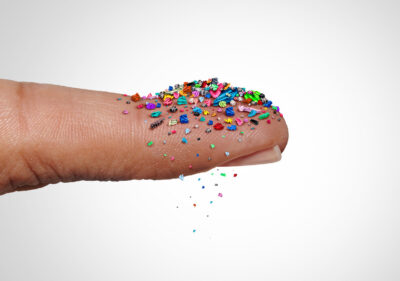
Nanoplastics sneak into brain cells, disrupting puberty and fertility hormones, new study finds
February 14, 2026
Tiny pieces of plastic, widely found in food, water, and air, can harm the development and function of specialized brain cells that regulate reproduction, new research reports. 
World’s most used insecticides damage male fertility in rodents, researchers say
November 13, 2025
Neonicotinoid pesticides, the world’s most widely used class of insecticides, are linked to male reproductive toxicity in lab animals, especially at higher doses, according to a new scientific review of two decades of evidence.
Common preservative may harm female fertility across generations, study finds
October 24, 2025
Propylparaben, a widely used preservative found in shampoos, lotions, packaged foods, and pharmaceuticals, may harm ovarian function and reduce fertility across generations, according to new research.
Microplastics wreaking havoc on human hormones, fertility, a new review says
July 24, 2025
The chemicals in microplastics cause a plethora of health impacts including harming people’s hormonal systems leading to infertility, and neurological and behavior disorders among other issues, says a new review which unpacks the mechanisms of how plastics harm health.
Endocrine disruptors impair women’s fertility, may lead to PCOS, major review finds
June 9, 2025
Endocrine-disrupting chemicals (EDCs)—substances that interfere with the body’s hormone systems—may contribute to a wide range of female reproductive health problems, including reduced fertility, early or delayed puberty, premature menopause, and polycystic ovary syndrome (PCOS), according to a new review of more than 250 human and animal studies.
Glyphosate poses widespread risks to female fertility and reproductive health: new research
March 15, 2025
Glyphosate, the world's most widely used herbicide, disrupts female hormones and damages the ovaries and uterus in ways that can make it more difficult for women to get pregnant, according to a new review of human and animal research. 
Lower pesticide intake linked to improved fertility in Harvard study
November 20, 2017
This article originally ran in the Huffington Post If you’re trying to get pregnant and raise healthy children, recent science suggests you should consider switching to an organic diet and voting out politicians who put the pesticide industry in charge of our nation’s health laws. In just the past few weeks, the Journals of the ... Lower pesticide intake linked to improved fertility in Harvard study
Babies exposed to microplastics and hormone-disrupting chemicals through formula, plastic bottles, infant feeding supplies
October 22, 2026
Babies may consume millions of microplastics and traces of harmful chemicals through infant formula, plastic bottles, and other feeding products.
Hormone-disrupting chemical mixtures linked to excess childhood weight
September 28, 2026
Children exposed during pregnancy and early life to combinations of chemicals that disrupt hormones and metabolism may face a greater risk of excess weight that persists into adolescence, a new study suggests.
Critiques of Gates Foundation’s agricultural interventions in Africa
September 1, 2026
Critics say the Gates Foundation's push to expand chemical-intensive monocrop farming in Africa is exacerbating hunger, worsening inequality and entrenching corporate power in the world’s hungriest region.
Glyphosate: Cancer, liver disease, endocrine disruption and other health concerns
July 22, 2026
Glyphosate is the most widely used herbicide worldwide. It is linked to cancer, liver and kidney disease, endocrine disruption, neurotoxicity and many other health concerns. First patented by the Monsanto Company, glyphosate is now manufactured and sold by many companies in hundreds of products. It is best known as the active ingredient in Roundup-branded herbicides, ... Glyphosate: Cancer, liver disease, endocrine disruption and other health concerns
Nearly 300 studies link the common pesticide chlorpyrifos to multi-organ damage, DNA disruption, and chronic disease
June 3, 2026
Growing evidence suggests chlorpyrifos may damage the brain, hormones, liver, gut microbiome, muscles, reproductive organs, and bones.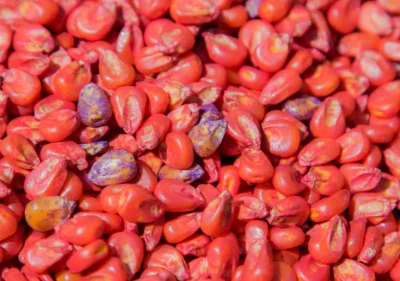
Neonicotinoid health risks: widespread exposure, growing evidence of harm
May 26, 2026
A growing body of scientific evidence raises concerns about the human health risks of neonicotinoid exposure, including neurotoxicity and reproductive toxicity.
Reducing use of personal care products quickly lowers toxic chemicals in the body
April 30, 2026
Switching from conventional personal care products to nontoxic alternatives can rapidly and significantly reduce exposure to harmful chemicals.
Ultra-processed foods may raise risk of preterm birth and pregnancy complications, study finds
April 9, 2026
Ultra-processed foods, now a dominant part of the American diet, may raise the risk of serious pregnancy complications, including preterm birth and blood pressure problems, according to a large U.S. study.
One exposure. Twenty generations later, the damage is still unfolding.
February 22, 2026
A single exposure to a toxic agricultural fungicide during pregnancy can echo through 20 generations — with inherited disease risks from kidney disease to infertility not fading, but worsening over time, groundbreaking research reports.
When profit kills: How private equity is eroding health care
January 21, 2026
A growing wave of peer-reviewed studies supports the same troubling conclusion: When private equity incentives collide with clinical care, patients—especially those who are sicker, poorer, or harder to treat—are more likely to be killed or harmed.
Ultra-processed foods damage health in ways that calories don’t explain, new study says
December 18, 2025
Researchers are getting closer to solving the riddle of how ultra-processed foods harm metabolic, reproductive, and immune health in ways that can't be explained by calories or poor nutrient profile alone.
Hormone-disrupting chemicals contaminate breast milk, global review shows; scientists say breastfeeding is still best
December 4, 2025
Breast milk from mothers around the world contains a wide range of endocrine disrupting chemicals (EDCs) – such as bisphenols, perfluorinated chemicals, pesticides, flame retardants, and plasticizers – that can disrupt hormones and potentially harm development, a new study finds. The researchers note that human milk is still the best recommended nutrition for infants.
Atrazine, an endocrine-disrupting herbicide banned in Europe, is widely used in the U.S.
November 21, 2025
Atrazine is the second-most widely used weed killer in the U.S., with more than 70 million pounds applied across the nation each year. It is an endocrine disruptor and also linked to various cancers, premature birth and birth defects. It has been banned for use in the European Union since 2004.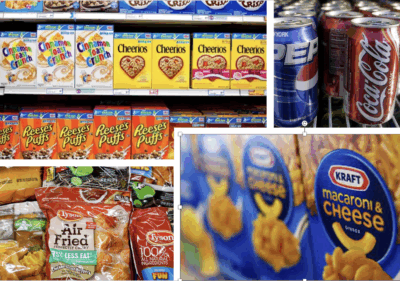
Big Food ‘transparency’ campaign seeks to block tough new food safety laws
November 12, 2025
Instead of listening to their customers, the world’s largest food and beverage companies have launched a “transparency” campaign – fronted by a longtime tobacco industry ally – and they are betting their old, tired political playbook will allow them to keep profiting from unhealthy foods. 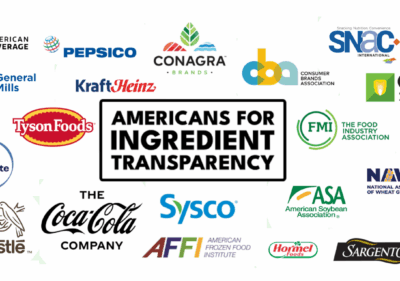
Americans for Ingredient Transparency: Product defense for unhealthy ultra-processed foods
October 30, 2025
Americans for Ingredient Transparency is funded by large ultra-processed food and beverage companies, including General Mills, Kraft Heinz, Nestlé, Tyson Foods, Coca-Cola, and PepsiCo, and more than a dozen food industry trade associations. 
Are your baby’s clothes toxic? New study finds harmful chemicals in infant textiles
October 20, 2025
Infant clothing may expose babies to hundreds of different chemicals used in everything from plastics to pesticides -- including some known to be toxic, a new scientific investigation shows.
Common male cancer linked to hormone-disrupting chemicals, scientists warn
October 14, 2025
Chemicals found in everyday products—from plastics and pesticides to cosmetics and non-stick cookware — interfere with the body’s hormone systems in ways that may increase the risk and severity of prostate cancer, according to a new report.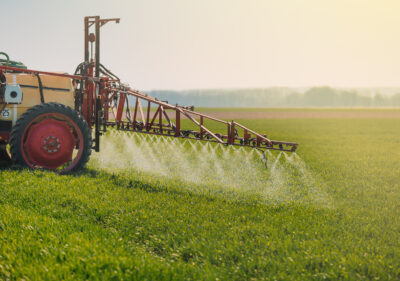
Even tiny doses of glyphosate can cause health problems across generations, new study in mice shows
September 30, 2025
Even extremely small amounts of the herbicide glyphosate can harm gut health, disrupt metabolism, and change behavior in mice, scientists say. The effects aren't limited to the exposed animals—they pass on to their children and grandchildren.
Plastics pose ‘urgent threat’ to children’s lifelong health, major review warns
September 29, 2025
A sweeping new review warns that chemicals in common plastics pose serious and lasting health risks to children, from before birth through adulthood.
Banned pesticides found in clouds, sparking new health concerns
September 11, 2025
Pesticides banned years ago in the European Union are drifting through the skies and turning up in clouds above France, raising concerns about how long these toxins persist and how far they can travel, with potentially harmful global health impacts, according to a pathbreaking new study.
Phthalates in everyday products may fuel breast cancer, new study warns
September 5, 2025
Common chemicals in plastics, personal care products, and food packaging may drive the onset, growth, and spread of breast cancer—the second-leading cause of cancer deaths in women, new research suggests.
Pollution, toxic chemicals, and plastics drive millions of heart-related deaths, major review finds
September 3, 2025
Cardiovascular disease—the world's leading cause of death—is increasingly driven by polluted air, toxic chemicals, plastics, noise, and extreme temperatures, according to a sweeping new review...
PFAS ‘forever chemicals’ tied to cancer, birth defects
July 21, 2025
Per- and Polyfluoroalkyl Substances (PFAS) are a group of thousands of manufactured chemicals widely used by a range of industries and commonly found in a large number of consumer products. One common characteristic of PFAS is that they persist in the environment and can accumulate in humans and animals. For this reason, they are often ... PFAS ‘forever chemicals’ tied to cancer, birth defects
Sucralose: Emerging science reveals health risks
May 23, 2025
Key scientific studiesHistory of deceptive marketing Sucralose is the most widely used artificial sweetener in the United States. Most commonly sold under the brand name Splenda, sucralose is used in over 6,000 food products. It is often found in “diet” sodas including Diet Coke with Splenda, Diet Pepsi with Splenda, as well as Gatorade’s Propel ... Sucralose: Emerging science reveals health risks
Common weedkiller glyphosate may be linked to liver disease epidemic, study warns
May 5, 2025
Glyphosate, the world’s most widely used herbicide, may significantly raise the risk of an increasingly common chronic liver disease—even at low exposure levels, according to a new review of more than 40 scientific studies published over the past 17 years.
New scientific analyses underpin Mexico’s restrictions on GM corn and glyphosate due to health risks
January 14, 2025
A new scientific analysis prepared by Mexico’s National Council for Humanities, Science and Technology, argues there are unacceptable health risks for Mexican people who consume genetically modified corn and glyphosate. 
BPA exposure triggers dangerous pregnancy symptoms in mice, new study reports
January 13, 2025
Recent research indicates that exposure to bisphenol A (BPA), a common product in plastic products, during pregnancy disrupts uterine development in mice—triggering preeclampsia, a serious and life-threatening condition.
Governments must act to protect women, girls from toxic chemicals, UN expert warns
October 22, 2024
Exposure to dangerous chemicals disproportionately impacts the health of women and girls worldwide, creating a human rights crisis that demands government intervention, says a United Nations report.
Alcohol industry-backed apps mislead users, could boost drinking, new study warns
October 12, 2024
Alcohol industry-funded (AIF) apps promoted to reduce alcohol consumption contain health misinformation and may encourage users to drink, potentially causing more harm than good, say researchers in a first-of-its-kind report.
2,4-D: Concerns about cancer and other serious illnesses
November 22, 2023
Since its introduction in the 1940s, the herbicide 2,4-dichlorophenoxyacetic acid (2,4-D) has been widely used to control weeds in agriculture, forestry, and urban and residential settings. According to documents obtained by public records requests, the U.S. Food and Drug Administration (FDA) forecast sharp increases in the levels of 2,4-D in American food after regulators approved ... 2,4-D: Concerns about cancer and other serious illnesses
Henry I. Miller’s long history of science denial and product defense
January 18, 2023
Five years after a Monsanto ghostwriting scandal prompted Forbes to delete dozens of his articles, Dr. Miller joins the "full-time writing staff" of the corporate front group American Council on Science and Health.
Trust in Science? WaPo Live owes its viewers more than PR panels sponsored by Bayer
December 6, 2022
Public trust in science has been waning since the start of the pandemic. A 2022 study from the Pew Research Center shows that nearly a quarter of Americans lack confidence in medical scientists – a significant drop from just two years ago. Restoring public faith in science is an urgent and worthy endeavor. Unfortunately, an ... Trust in Science? WaPo Live owes its viewers more than PR panels sponsored by Bayer 
Genetic Literacy Project: PR front for Monsanto, Bayer and the chemical industry
July 14, 2022
Genetic Literacy Project and its founder Jon Entine partner with corporations to promote and defend GMOs and pesticides. Bayer paid the Genetic Literacy Project $100,000 in fiscal year 2020-2021.
New research adds evidence that weed killer glyphosate disrupts hormones
November 13, 2020
New research is adding worrisome evidence to concerns that the widely used weedkilling chemical glyphosate may have the potential to interfere with human hormones. In a paper published in the journal Chemosphere titled Glyphosate and the key characteristics of an endocrine disruptor: A review, a trio of scientists concluded that glyphosate appears to have eight out ... New research adds evidence that weed killer glyphosate disrupts hormones
Glyphosate in chicken poop used as fertilizer is hurting food production, researchers say
September 9, 2020
Scientists brought more bad news to light regarding the widely used herbicide glyphosate, better known as Roundup, in a new research paper published this month. Researchers from the University of Turku in Finland revealed in a paper published in the journal Science of The Total Environment that manure from poultry used as fertilizer can decrease ... Glyphosate in chicken poop used as fertilizer is hurting food production, researchers sayNew weed killer studies raise concern for reproductive health
August 12, 2020
As Bayer AG seeks to discount concerns that Monsanto’s glyphosate-based herbicides cause cancer, several new studies are raising questions about the chemical’s potential impact on reproductive health. An assortment of animal studies released this summer indicate that glyphosate exposures impact reproductive organs and could threaten fertility, adding fresh evidence that the weed killing agent might ... New weed killer studies raise concern for reproductive health
Independent Women’s Forum: Koch-Funded Group Defends Pesticide, Oil, Tobacco Industries
February 24, 2020
The Independent Women’s Forum is a nonprofit organization that partners with Monsanto, defends toxic chemicals in food and consumer products, and argues against laws that would curb the power of corporations. Funded largely by right-wing foundations that push climate science denial, IWF beganin 1991 as an effort to defend now Supreme Court Justice (and former ... Independent Women’s Forum: Koch-Funded Group Defends Pesticide, Oil, Tobacco Industries
An Unappetizing Analysis from the FDA
October 28, 2019
Last month the Food & Drug Administration published its latest annual analysis of the levels of pesticide residues that contaminate the fruits and veggies and other foods we Americans routinely put on our dinner plates. The fresh data adds to growing consumer concern and scientific debate over how pesticide residues in food may contribute – ... An Unappetizing Analysis from the FDA
Glyphosate spin check: Tracking claims about the most widely used herbicide
April 26, 2019
Amid global debate over the safety of glyphosate-based herbicides such as Monsanto’s Roundup, numerous claims have been made to defend the product’s safety. In the wake of two recent landmark jury rulings that found Roundup to be a substantial factor in causing non-Hodgkin lymphoma, we examined some of these claims and fact-checked them for accuracy. ... Glyphosate spin check: Tracking claims about the most widely used herbicide
Chemicals on Our Food: When “Safe” May Not Really Be Safe
November 27, 2018
Scientific scrutiny of pesticide residue in food grows; regulatory protections questioned This article was originally published in Environmental Health News. By Carey Gillam Weed killers in wheat crackers and cereals, insecticides in apple juice and a mix of multiple pesticides in spinach, string beans and other veggies – all are part of the daily diets ... Chemicals on Our Food: When “Safe” May Not Really Be Safe
SciBabe says eat your pesticides. But who is paying her?
March 31, 2018
Blogging under the name SciBabe, Yvette d’Entremont defends toxic chemicals in food products and promotes pesticides as safe. She has received funding and honoraria from a variety of companies and industry groups. In 2017, the artificial sweetener company SPLENDA hired SciBabe to “debunk junk science” in defense of their product.SciBabe has been a featured speaker ... SciBabe says eat your pesticides. But who is paying her?
Monsanto’s fingerprints all over Newsweek’s hit on organic food
January 23, 2018
Update: Newsweek’s bizarre response By Stacy Malkan “The campaign for organic food is a deceitful, expensive scam,” according to a Jan. 19 Newsweek article authored by Dr. Henry I. Miller of the Hoover Institution. If that name sounds familiar – Henry I. Miller – it may be because the New York Times recently revealed a ... Monsanto’s fingerprints all over Newsweek’s hit on organic food